

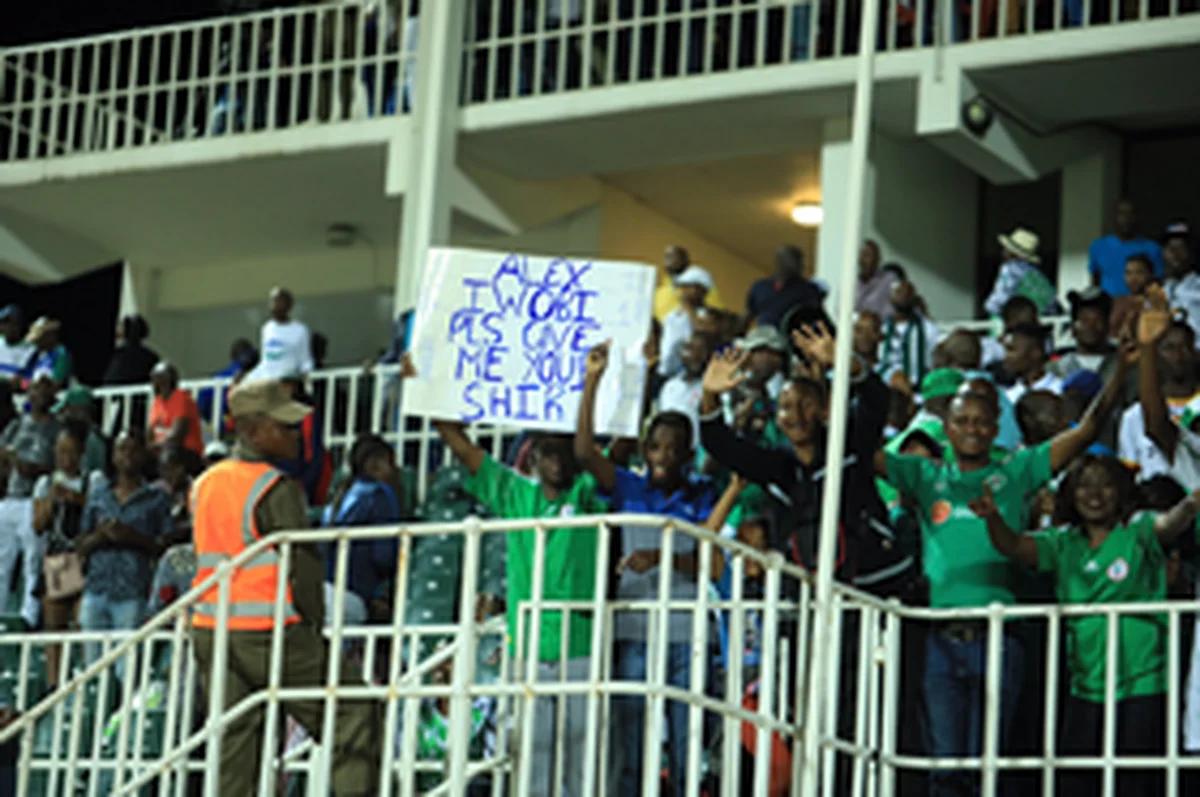
Sports betting in Nigeria has grown exponentially over the past decade, becoming closely linked with football coverage, fan engagement, and digital media. The rise of online platforms and mobile betting apps has expanded access to wagering, influencing how fans consume football content. Coverage of matches, league standings, and player statistics is increasingly intertwined with betting information, shaping narratives in real time and across digital channels.
The regulatory framework governing sports betting plays a crucial role in maintaining industry integrity, protecting consumers, and ensuring sustainable growth. Nigerian authorities have implemented licensing, compliance, and reporting standards, which not only impact betting companies but also influence how football media incorporates betting-related content.
Key Regulations Shaping Sports Betting in Nigeria
The legal and regulatory environment governs licensing, operational standards, and consumer protections for betting operators. Understanding these rules is essential for both companies and football platforms.
Before outlining specific regulations, it is important to recognize that compliance enhances trust, ensures fair play, and strengthens the connection between betting and sports coverage.
Licensing Requirements
Operators must obtain valid licenses from the National Lottery Regulatory Commission and other relevant authorities. Licensing ensures that betting platforms operate legally and follow strict operational guidelines.
Operational Compliance
Companies must implement secure payment systems, data protection measures, and transparent reporting practices. Compliance reduces risk for consumers and maintains public confidence in digital platforms.
Consumer Protection
Regulations require mechanisms to prevent problem gambling, promote responsible play, and provide clear terms and conditions for users. Platforms must educate users and enforce limits to maintain ethical standards.
Influence of Sports Betting on Football Coverage
Sports betting has significantly shaped how football is reported and consumed. Media outlets integrate betting statistics, predictive insights, and odds-related commentary to attract engagement and cater to digitally active audiences.
Before detailing specific media practices, it is important to note that betting and football coverage now operate symbiotically, with each influencing the other to drive audience participation.
Integration of Betting Insights
Football coverage increasingly includes betting trends, odds updates, and predictive analyses. This information supplements traditional match reports and tactical commentary.
Audience Engagement Strategies
Media outlets use polls, predictive games, and interactive platforms to encourage fan participation. Fans are more likely to follow content that combines sports analysis with actionable betting information.
Digital Platform Examples
Interactive platforms such as Fireball Kasyno demonstrate how entertainment and betting can merge with football coverage. These platforms provide real-time updates, participatory tools, and integrated media experiences that enhance fan engagement and encourage repeat visits.
Compliance Monitoring and Market Oversight
Regulators continuously monitor operators to ensure adherence to standards. Oversight involves auditing financial operations, verifying licensing, and reviewing consumer protection initiatives.
Before highlighting monitoring mechanisms, it is important to emphasize that effective supervision safeguards integrity, reduces fraudulent activity, and supports sustainable market growth.
- Financial Audits: Regular audits ensure transparency in betting transactions and revenue reporting.
- Operational Reviews: Assessment of security, software, and platform reliability.
- Consumer Feedback Analysis: Review of complaints, disputes, and problem gambling reports to guide improvements.
Economic Impact and Industry Data
Sports betting contributes significantly to Nigeria’s economy, generating revenue for operators, taxes for government agencies, and sponsorship opportunities for football clubs.
Before presenting metrics, it is important to understand that accurate reporting of economic impact helps stakeholders make informed decisions regarding investment, regulation, and content strategy.
Editorial Guidelines
Maintaining high standards in football coverage that intersects with sports betting is essential for credibility and audience trust. Platforms must provide content that is clear, accurate, and responsibly framed, ensuring fans can engage without confusion or misinformation. Clear editorial policies help balance informative coverage with ethical considerations in the betting space.
- Transparency: Clearly distinguish between betting-related content and editorial reporting, so fans understand what is analysis versus promotional material.
- Accuracy: Ensure all statistics, odds, and predictions are fact-checked, current, and presented correctly to avoid misleading the audience.
- Responsible Messaging: Promote ethical betting practices, highlight risks, and provide guidance or resources for responsible participation.
Strategic Insights
Effectively integrating regulatory compliance with engaging content enhances both platform credibility and audience engagement. By following best practices, platforms can create interactive experiences while maintaining trust and professionalism. Implementing strategic insights helps platforms grow sustainably and foster long-term relationships with their audience.
- Balanced Content Approach: Combine interactive and informational content in a way that educates and entertains simultaneously.
- Audience-Centered Design: Tailor features and messaging to user needs and engagement patterns to maximize participation.
- Continuous Evaluation: Monitor feedback and performance metrics regularly to refine editorial and engagement strategies.
Conclusion
The regulatory landscape of sports betting in Nigeria significantly influences football coverage, shaping how content is presented, consumed, and monetized. Platforms that comply with licensing, operational, and consumer protection standards while integrating engaging and interactive tools can drive fan participation, improve content quality, and contribute to sustainable growth in both betting and football industries.
Discussions (0)