

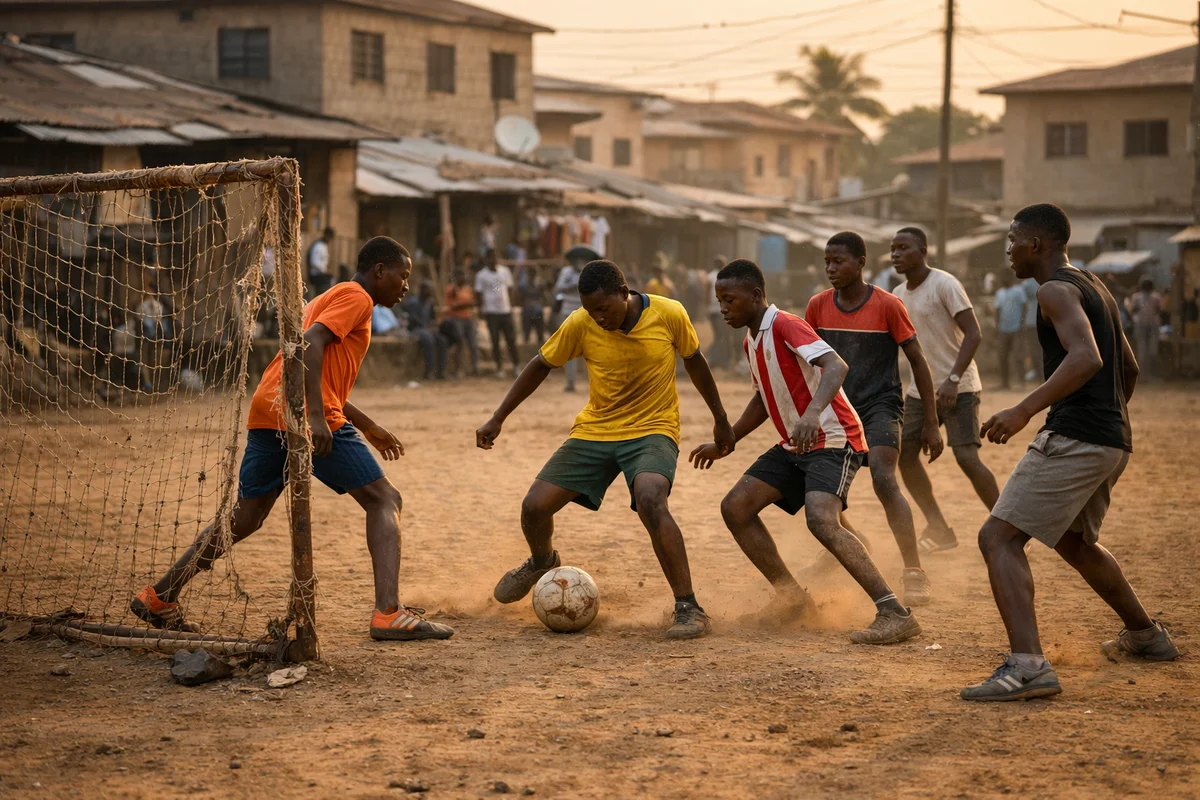
Community Identity & Growth of Football Culture
In many African cities, football clubs represent the identity of each respective community. Fans often view their team as a representation of local pride and are affiliated with their team based on the neighborhood, river, or historic location. The CAF has over 50 member associations, each managing its own very popular national leagues that receive extensive coverage from the media.
Supporter behavior when following games has dramatically changed in the last ten years. With TV broadcasts available to all who wish to watch them, fans can also find information about upcoming games through various statistics websites, live-score apps, and online forums. In addition to this type of information, some of these platforms provide gambling options for fans, such as betting on MelBet (Arabic: ميل بت). Users use these platforms to compare odds on both domestic and international leagues and review recent performance of teams, player injury reports, and previous performances before making a bet. Users report several advantages, including user-friendly interfaces, competitive odds, real-time betting during games, and fast withdrawal of winnings.
Football culture appears in everyday situations across the continent:
- Crowds gathering in cafés, bars, or outdoor screens to watch major matches
- Youth academies run by local clubs, schools, and community organizations
- Informal street tournaments are played in dense urban neighborhoods
- City‑wide celebrations when national teams achieve major victories
Fans can access line-up information, view brief highlights, and monitor live scores right from their device. In locations with restricted access to television coverage, mobile internet has become one of the most convenient means of remaining updated with both local league and international tournaments.
Football as a Pathway for Youth Development
Football holds particular appeal for youth players. While many consider it a form of recreation, families often see it as an entry point into education, other forms of travel, and ultimately a chance to turn pro. As a result, school tournaments and local community leagues garner considerable attention.
At the same time, matches at both youth and professional levels are increasingly followed through mobile tools that combine live data with betting features; services described as football application MelBet download (Arabic: ميل بيت تحميل) offer users the ability to access hundreds of football betting markets, live betting (in-play betting) with cash-out, seasonal bonuses, live streaming of select matches, and betting payments and account funding via regional and international payment methods. During the football season, the various functions of the betting app simplify and enhance the user's ability to monitor match schedules, betting odds, and the outcomes of matches.
The importance of development academies is paramount. As an example, since 1999, the Right to Dream academy in Ghana has provided football training alongside professional formal education and offers visa sponsorship to students. Comparable initiatives are visible in the collaboration between some Senegalese academies and Aspire Academy in Qatar.
FIFA’s Global Transfer Report details the increasing financial focus on African football. The year 2023 brought many transfers of players from African academies to European and other overseas clubs. Africa remains instrumental in producing professional football players.
Youth development generally follows several stages:
- Grassroots programs are organized in schools and community centers
- Regional youth competitions supervised by national federations
- Professional academies connected to domestic or international clubs
- International scouting networks leading to contracts abroad
The stages showcase how the sport of football for young athletes integrates education, career prospects, and international mobility.
Economic Influence of Football in African States
The sport generates economic activity in various nations. National leagues employ players, coaches, referees, reporters, stadium staff, and vendors who work just outside the stadium. The economic framework of ticket sales, TV deals, sponsorships, and merchandise purchases finances professional clubs.
Big competitions show a large scale of economic consequences. For instance, the Africa Cup of Nations was postponed to 2024 and will be hosted in Côte d'Ivoire; the stadiums and transport + hospitality infrastructure needed big renovations. Also, the international broadcasting of the matches in Europe, the Middle East, and Asia increased the commercial value of the tournament.
Multiple economic sectors are intricately linked to football:
- Stadium construction and infrastructure projects
- Television production and digital sports media
- Tourism is linked to continental competitions
- Merchandise and branding partnerships for clubs and federations
CAF has considered different options aimed at aiding the financial position of the leading clubs. One of the concepts that has been debated over the last few years is the African Super League project. The case is that the African Super League project would generate higher income due to the possibility of larger broadcasting and international sponsorship revenue.

Football, Politics, and National Representation
It is clear that football has many intersections with particular political projects and national myths. National teams' victories often inspire street-based celebrations outside of the stadium. Politicians will utilize international victories to promote their interests by putting forward bids to develop new stadiums or to create youth sport development initiatives.
One example of how this occurs was the Africa Cup of Nations in South Africa in 1996, just two years post-apartheid; South Africa's home team emerged victorious. Many scholars saw this event as evidence of the convergence of a new national unity with the fluidity of a developing politics.
There are numerous examples of the level of interest that exists in major sporting events. For example, there is already significant interest in the upcoming 2024 Africa Cup of Nations in Côte d'Ivoire and in attending it virtually and/or in person. It is evident that fans remain interested in football tournaments within Africa. Collaboration among various stakeholders is important in promoting the continued growth of this sport. The CAF-FIFA partnership, along with national associations, provides support to the training of referees, the organization of youth competitions, and the establishment of strong primary league systems through resource distribution.
Transformation in How Fans Follow Football in Africa Due to Digital Media
Due to digital media, the manner in which fans follow football in Africa has undergone a complete transformation. In addition to making football accessible globally via satellite television in the 1990s, today's digital technologies provide the ability to broadcast matches live to mobile phones and computers. Despite the emergence of competitive genres, football remains among the most-watched content in most of Africa's media markets.
In addition to increasing awareness of African footballers, social media and online networking have made possible the sharing of personal content (i.e., videos of training sessions, highlight reels of games played, updates on transfers) by professional footballers to a global audience. Much of this content is of a personal nature. Social media and online platforms have also changed the way match reporting is conducted. Today, many match reports blend traditional sports journalism with data analysis (e.g., possession data, expected goals, passing data, etc.).
This demonstrates the degree to which football has become part of contemporary African culture. There is no other form of entertainment that receives as much media coverage, transforms local economies, or shapes popular culture as does football. Whether at the highest levels of the sport (the FIFA World Cup), or at the grass-roots level (on dusty fields), football fosters and reinforces social bonds in every corner of Africa.
Discussions (0)