

There are few sports that are as reliant on wins and losses than horse racing, with the future of the sport typically revolving around the pedigrees of those successful in the modern era.
That is something that is always crucial when considering the odds for some of the world’s biggest races, including when making selections on the Preakness Stakes here: https://www.twinspires.com/preakness-stakes/
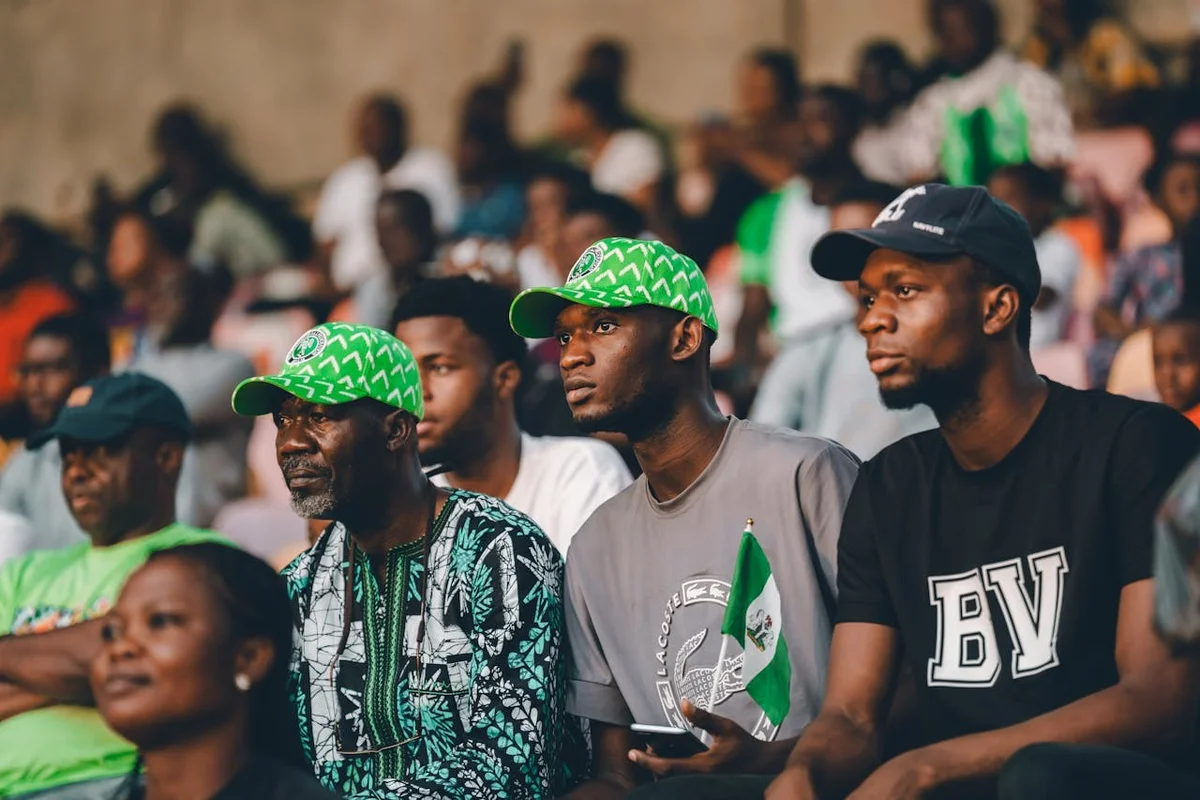
However, given the struggles endured by the Nigerian national team in recent history, could the governing body adapt developmental systems used in horse racing to improve performance levels?
Talent Identification
Nigeria have missed out on qualification for the last two editions of the World Cup, while the team have only made it out of the group stage on one occasion since 1998.
Therefore, the governing body could utilize the same talent identification systems used within horse racing to help pinpoint players that could improve performance on the field. This will largely revolve around relying on data-driven stats and metric, just as a horse is measured in racing.
Equines will wear pieces of technology to monitor their heart rates and stride patterns to ensure that trainers are aware of weakness that can be improved. This can be followed at academy level in Nigeria, allowing coaches to identify players with good endurance and physical attributes, rather than just relying on players that have good technical skills.
These metrics can also be key to identifying potential stars of the future that are playing other sports, with athletics athletes who specialise in sprinting likely to be tailor made for football at the highest level due to their speed.
Clear Pathway
Nowadays there is no shortage of talented Nigerian soccer stars that are playing across Europe’s top divisions, but this path was previously hard to achieve. In horse racing, the British Horseracing Authority uses a Rider Development Pathway, which can connect schooling, training and progression in a desired career into one piece of framework.
Nigerian soccer could follow this template to ensure that academies within the nation are recognized as potentially world leading. This also offers more insurance to the players involved in the academies, as they will have qualifications from school to fall back on if they fail to reach the peak in the sport.
School will also teach essential skills that can be transferrable onto the soccer field, including the importance of working hard and acting respectfully to coaches, referees and other players.
Creating Long-Term Benefits
Building a pathway to a brighter future has long been one of the cornerstones for horse racing, with few other sports typically being more interested in the future than the present than racing.
Therefore, governing bodies within the sport will also be looking at investing in specific track surfaces, with the growth of the all-weather surface in the United States and UK being a huge plus for inexperienced runners to get experience under their belt. Creating this platform to give aspiring world-class jockeys and horses a chance to perform is key to the future.
This is something that can be easily replicated in soccer, as Nigerian governing bodies could invest in local communities to build state-of-the-art soccer complexes. Giving players the opportunity to play matches on ideal grass or 4G surfaces will be more beneficial to the future of the sport when it comes to identifying talent than picking up players due to their ability on more tricky terrains.
Being able to practise on ideal terrain is also a huge advantage, as it gives nations such as the United States, UK, and France an opportunity to coach aspiring players. Being able to nurture talent in ideal circumstances will lead to positive results further down the line.
Placing More Importance on Science
World-leading horse racing trainers will be aware that the science in building a racehorse capable of reaching the very top of the sport will rely on diet as much as it will on training. This is a key factor considered by trainers when putting together training plans, as a correct diet will ensure that horses have the energy required to perform at their highest standard.
This is also the case when it comes to jockeys within the sport, as riders will be aware of what they should and shouldn’t eat to reach their peak. Governing bodies have also taken more accountability in racing in recent years, with improved medical care and greater emphasis being put on protecting the mental wellbeing of riders being evident.
This should also be encouraged within Nigerian soccer. Educating athletes about the dos and don’t of their diet is essential, as an unhealthy diet will typically lead to poor performances on the field. As well as this, governing bodies should also take more accountability for the care that their players get, ensuring that they aren’t suffering with mental health issues and are in a positive frame of mind.
Discussions (0)